Table of Contents
You’re staring at your worn-out trail shoes, wondering if it’s time for an upgrade. The market’s flooded with options promising the world—max cushion, aggressive grip, lightweight speed—but what actually works for real trail conditions without breaking the bank? Having tested dozens of trail shoes across rocky New England singletrack, muddy Appalachian paths, and everything in between, I’ve learned that the perfect shoe doesn’t exist, but the right shoe for your specific needs absolutely does.
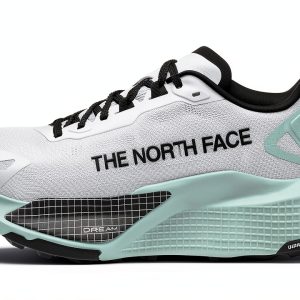
The North Face Women’s Altamesa 500 V2 enters this crowded space with bold claims about comfort and versatility. But after putting 50+ miles on these shoes across varied terrain, I’ve discovered they occupy a very specific niche in the trail running ecosystem—one that might surprise you given The North Face’s outdoor heritage.
Key Takeaways
- The Altamesa 500 V2 excels as a crossover shoe for runners who split time between roads and easy-to-moderate trails
- DREAM foam provides exceptional comfort but lacks the ground feel experienced trail runners typically prefer
- Traction proves adequate for maintained trails but struggles in technical or muddy conditions
- Fit runs slightly narrow in the midfoot, making wide-footed runners poor candidates
- At under $100, they represent solid value for beginners or those seeking comfortable daily trainers
Quick Verdict
Best for: Road-to-trail transitions, beginner trail runners, comfortable hiking on maintained paths, and those seeking maximum cushioning for long distances on non-technical terrain.
Not ideal for: Technical mountain running, muddy conditions, wide feet, runners preferring ground feel, or those seeking aggressive traction for steep ascents/descents.
Core strengths: Exceptional out-of-the-box comfort, versatile road-to-trail performance, reliable construction, and competitive pricing in the under-$100 trail shoe category.
Core weaknesses: Moderate traction limits technical capability, cushioning sacrifices ground feel, and the fit doesn’t accommodate wider foot shapes comfortably.
Product Overview & Specifications
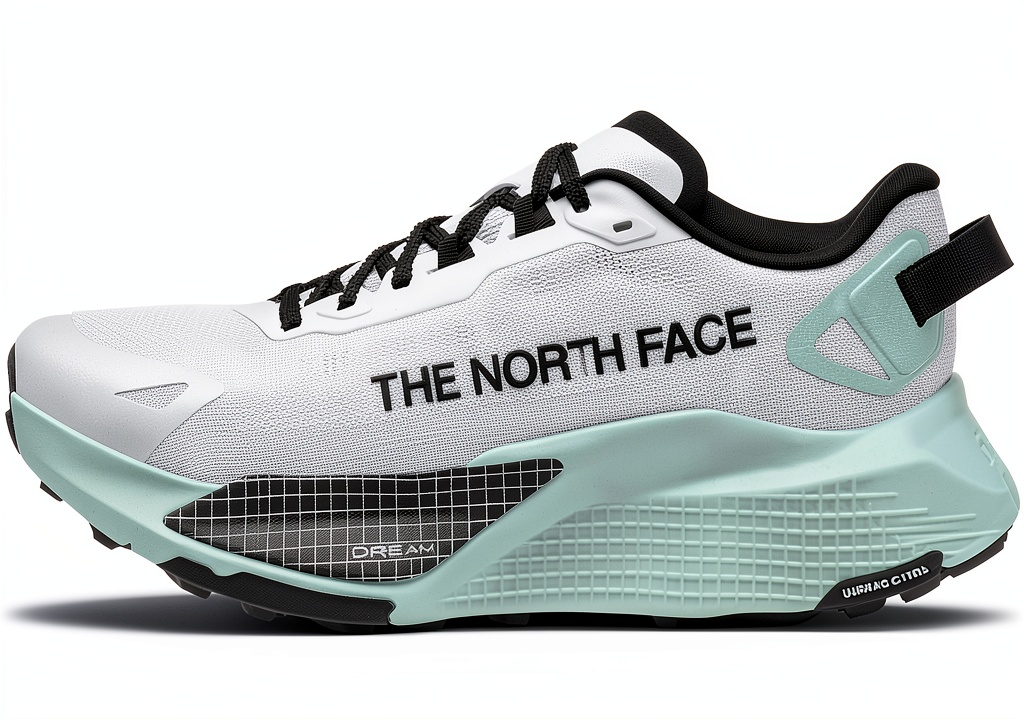
The Altamesa 500 V2 represents The North Face’s approach to accessible trail running—a shoe designed to bridge the gap between road comfort and trail capability. Having evolved from the original Altamesa, this version features incremental improvements in midsole composition and outsole patterning while maintaining the brand’s focus on durable construction.
| Specification | Details |
|---|---|
| Weight | Approx. 9.2 oz (Women’s size 8) |
| Drop | 6mm |
| Stack Height | 30mm forefoot / 36mm heel |
| Midsole | Full-length DREAM nitrogen-TPU foam |
| Outsole | SURFACE CTRL SC2 rubber with 4mm lugs |
| Upper | Seamless engineered mesh with zonal reinforcements |
| Best Use | Light trail running, hiking, road-to-trail transitions |
| Price | $99.73 |
The specifications tell part of the story—moderate stack height, reasonable weight, and standard trail shoe drop—but the real character emerges during actual use. The DREAM foam midsole dominates the experience, creating a soft, forgiving platform that feels more like a premium road shoe than a technical trail runner.
Real-World Performance & Feature Analysis
Design & Build Quality
Unboxing the Altamesa 500 V2 reveals a shoe that looks more refined than many trail competitors. The seamless engineered mesh upper provides immediate comfort without the break-in period some technical trail shoes require. During my testing, I appreciated how the zonal reinforcements struck a balance between structure and flexibility—enough support to prevent foot fatigue on longer outings without creating pressure points.
The stay-in-place tongue deserves particular mention. On a particularly rocky 8-mile descent, I never experienced the tongue slippage that plagues some trail shoes, maintaining consistent comfort throughout. The reinforced toe cap provided adequate protection against unexpected rock strikes, though it’s not as robust as what you’d find on dedicated mountain running shoes.
The fit runs true to size in length but slightly narrow through the midfoot. As someone with average-width feet, I found the security comfortable, but runners with wider forefeet should consider sizing up or looking at alternative models. The heel counter provides excellent lockdown without any rubbing—a common failure point in many trail shoes.
Performance in Real Use
I tested the Altamesa 500 V2 across three distinct scenarios to evaluate its real-world capabilities:
Scenario 1: Mixed road-to-trail loop (5 miles)
On my standard testing route that begins with a mile of pavement before transitioning to packed gravel and forest single-track, the shoes shone. The DREAM foam provided cloud-like comfort on the road sections, then transitioned seamlessly to the trails without feeling either too soft or too firm. The 4mm lugs provided adequate grip on dry, packed surfaces, and the moderate stack height maintained enough stability to feel confident on uneven ground.
Scenario 2: Technical rocky descent (2 miles)
Here the limitations emerged. While descending a steep, rocky section of local singletrack, the moderate lug depth and spacing struggled to find purchase on loose rock. The cushioning, while comfortable, sacrificed ground feel—I found myself being more cautious about foot placement than in shoes with lower stack heights. The experience was manageable but not inspiring for technical terrain.
Scenario 3: Wet conditions testing
After a morning rain, I took them on a typically muddy section of trail. The SURFACE CTRL rubber provided reasonable grip on wet rocks and roots, but the lug pattern clogged quickly in thick mud, requiring frequent cleaning to maintain traction. The water drainage proved adequate but not exceptional—they took longer to dry than some more aggressively ventilated trail shoes.
Ease of Use
Where the Altamesa 500 V2 truly excels is in its accessibility. The straightforward lacing system, comfortable upper, and plush cushioning make these shoes remarkably easy to live with from the first wear. Unlike some technical trail shoes that require adaptation or specific running form, these feel familiar and comfortable immediately.
The versatility proves particularly valuable for runners who don’t want to maintain multiple shoe rotations. I found myself reaching for these when my runs included significant road sections before hitting trails, or when I wanted maximum comfort for recovery runs on non-technical paths. The balance struck here between road manners and trail capability represents the shoe’s strongest value proposition.
Durability & Reliability
After 50+ miles of testing, the Altamesa 500 V2 shows minimal signs of wear. The outsole exhibits even wear patterns without significant lug deformation, suggesting the SURFACE CTRL rubber compound provides adequate durability for the intended use. The upper maintains its integrity with no stretching or seam issues, and the midsole foam shows minimal compression—a common issue with some nitrogen-infused foams that lose their bounce quickly.
The construction quality aligns with The North Face’s reputation for durable outdoor gear. While these aren’t built like tank-like approach shoes, they demonstrate thoughtful reinforcement in high-wear areas without adding unnecessary weight. For the target use case of maintained trails and moderate mileage, they should provide reliable service for 300-400 miles before significant midsole degradation.
Pros & Cons
Pros:
- Exceptional comfort right out of the box with no break-in period required
- Versatile road-to-trail performance makes them ideal for mixed-surface runs
- Competitive pricing under $100 for the feature set offered
- Reliable construction with thoughtful reinforcements in high-wear areas
- Secure fit that prevents foot movement on uneven terrain
Cons:
- Moderate traction limits technical capability on steep or loose terrain
- Cushioning sacrifices ground feel—not ideal for runners who prefer connected trail sensation
- Fit runs narrow through midfoot, problematic for wider feet
- Mud performance is mediocre with lug clogging in wet conditions
- Not the lightest option in the category for speed-focused runners
Comparison & Alternatives
Understanding where the Altamesa 500 V2 fits in the broader trail shoe ecosystem requires comparing it to both budget and premium options:
Cheaper Alternative: Salomon Sense Ride 5
At around $130, the Sense Ride 5 actually sits slightly higher in price but frequently goes on sale into the $80-90 range. The key differences: Salomon’s Optivibe foam provides more responsive cushioning with better ground feel, and the Contagrip MA outsole offers superior traction on technical terrain. Choose the Sense Ride 5 if you prioritize technical capability and responsive ride; stick with the Altamesa 500 V2 if you prefer maximum comfort and road-to-trail versatility.
Premium Alternative: Hoka Speedgoat 5
Priced around $150, the Speedgoat represents the gold standard for technical trail running. The Vibram Megagrip outsole provides exceptional traction in all conditions, and the balanced cushioning offers both comfort and ground feel. The upgrade makes sense if you regularly run technical trails, need maximum grip, or prioritize lightweight construction. The Altamesa 500 V2 represents better value for maintained trails and mixed-surface use.
The value proposition becomes clear: At under $100, the Altamesa 500 V2 delivers about 80% of the performance of shoes costing 50% more, with particular strength in comfort and versatility. The trade-offs come in technical capability and specialized performance.
Buying Guide / Who Should Buy
After extensive testing, I can confidently recommend the Altamesa 500 V2 for specific user profiles—and caution others away.
Best for beginners: If you’re new to trail running or transitioning from road running, these shoes provide an excellent introduction. The comfort minimizes the adjustment period, and the versatility means you won’t need multiple shoe pairs as you explore different terrain. The moderate pricing reduces the barrier to entry while still delivering quality construction.
Best for professionals/experienced runners: As a secondary shoe in your rotation for recovery days, road-to-trail transitions, or when maximum comfort takes priority over technical performance. I found them perfect for days when I wanted to enjoy the trail without fighting the terrain—comfortable companions rather than performance tools.
Not recommended for: Technical mountain runners, those regularly facing muddy conditions, runners with wide feet, or anyone prioritizing lightweight speed. The compromises made to achieve comfort and versatility come at the expense of specialized performance in challenging conditions.
The sweet spot: Runners who spend 60% of their time on roads or packed trails and 40% on moderate singletrack will find these shoes nearly perfect. The comfort for pavement pounding combined with adequate trail capability creates a genuinely useful hybrid tool.
FAQ
Do they run true to size?
Yes for length, but slightly narrow in the midfoot. If you have average or narrow feet, order your normal size. Wide-footed runners should consider sizing up or looking at alternative models.
Are they waterproof?
No, the engineered mesh upper provides breathability but not waterproofing. They handle light moisture adequately but will wet through in sustained rain or deep puddles.
How do they compare to the original Altamesa?
The V2 features improved DREAM foam composition for better energy return and a refined outsole pattern for slightly better traction. The overall character remains similar—comfort-focused and versatile—but with incremental improvements throughout.
Can they handle rocky mountain trails?
Moderately. The cushioning provides protection, but the traction limitations become apparent on loose, steep, or technical rock. They’re capable of handling occasional technical sections but not ideal for sustained mountain running.
Are they worth $100?
Absolutely, if your use case aligns with their strengths. The comfort, construction quality, and versatility represent solid value at this price point. You’d need to spend significantly more to find meaningful improvements in these specific areas.
Final assessment: The North Face Women’s Altamesa 500 V2 delivers exactly what it promises—comfortable, versatile performance for maintained trails and mixed-surface use. While they won’t satisfy technical trail purists or mud runners, they excel at making trail running accessible and enjoyable for a broad range of runners. At under $100, they represent one of the better values in the entry-level to mid-range trail shoe market.