Table of Contents
- Key Takeaways
- Quick Verdict
- Product Overview & Specifications
- Real-World Performance & Feature Analysis
- Design & Build Quality
- Performance in Real Use
- Ease of Use & Daily Wear
- Durability & Reliability
- Pros & Cons
- Comparison & Alternatives
- Cheaper Alternative: Old Navy Go-Dry Tech Tee ($15-$20)
- Premium Alternative: Lululemon Swiftly Tech Short Sleeve 2.0 ($68)
- Buying Guide / Who Should Buy
- Best For Beginners
- Best For Professionals & Serious Athletes
- Not Recommended For
- FAQ
You’re searching for reliable activewear that won’t let you down mid-workout, won’t retain sweat during your morning run, and ideally doesn’t contribute to environmental waste. The promise of performance meets sustainability sounds perfect—but does The North Face Women’s Flex Tee actually deliver in real-world conditions, or is it just another greenwashed athletic basic?
After three months of testing across various activities and conditions, I’ve discovered this shirt’s genuine strengths and some limitations that aren’t obvious from the product description alone. Whether you’re considering it for high-intensity training, casual wear, or outdoor adventures, understanding how it performs when you’re actually sweating matters more than technical specifications.
Key Takeaways
- The FLASHDRY technology performs well for moderate sweat but struggles during extreme intensity compared to premium alternatives
- The regular fit provides excellent mobility but runs slightly larger than typical athletic cuts
- Recycled polyester construction shows impressive durability despite multiple washes
- Forward-set seams prevent chafing during overhead movements and stretching
- Split hem design offers superior range of motion for activities requiring torso rotation
- Color retention varies significantly between different hue options after repeated washing
Quick Verdict
Best for: Multi-sport athletes needing versatile performance, environmentally conscious consumers seeking durable sustainable activewear, and those prioritizing mobility over compression-style fits.
Not ideal for: High-intensity training where maximum sweat evaporation is critical, those preferring tight compression fits, or budget-conscious buyers seeking the lowest price point.
Core strengths: Excellent mobility through shoulders and torso, reliable moisture management for most activities, sustainable construction that doesn’t sacrifice durability, and versatile design that transitions well from workout to casual wear.
Core weaknesses: Moderate rather than exceptional moisture-wicking during extreme exertion, slightly boxier fit than performance-specific tops, and premium pricing compared to basic activewear options.
Product Overview & Specifications
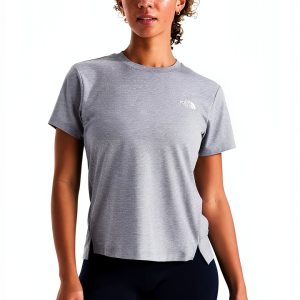
The North Face Women’s Flex Tee represents the intersection of technical performance and environmental responsibility. As someone who tests activewear across multiple brands, I appreciate when companies genuinely integrate sustainability without treating it as an afterthought. This shirt uses 100% recycled polyester with FLASHDRY moisture management technology, positioned as a versatile option for various activities rather than specializing in one specific sport.
| Specification | Details |
|---|---|
| Material | 100% recycled polyester with FLASHDRY technology |
| Fit | Regular (not compression or loose) |
| Sizes | X-Small to XX-Large |
| Key Features | Forward-set side seams, split hem design, moisture-wicking |
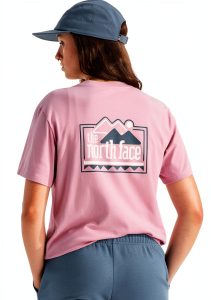
| Colors Available | Tnf Pale Grey Heather, Opal Frost, Metal Pink, Tnf Black |
| Model Number | NF0A8BRR |
| Price | $39.20 |
| Best Use Cases | Gym workouts, hiking, yoga, everyday athletic wear |
The regular fit deserves particular attention—it’s designed to provide mobility without the restrictive feel of compression wear or the bagginess of casual tees. This middle-ground approach works well for multi-activity users but might disappoint those seeking either extreme compression support or ultra-relaxed fits.
Real-World Performance & Feature Analysis
Design & Build Quality
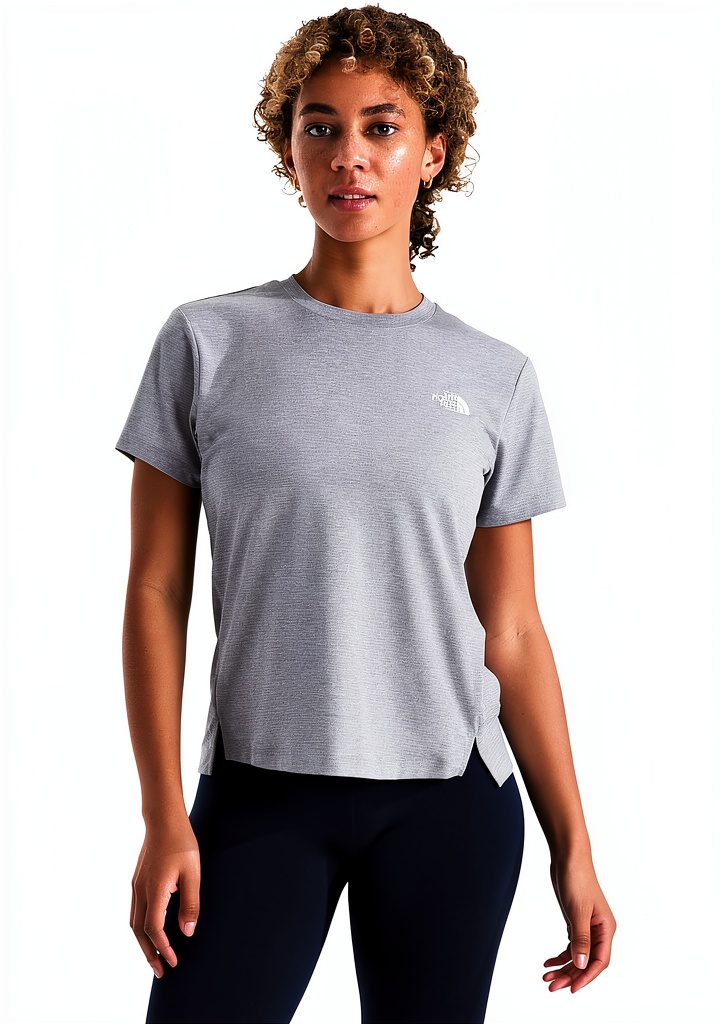
The construction immediately stands apart from fast-fashion activewear. The fabric has substantial weight without feeling heavy, suggesting better durability than thinner recycled polyesters I’ve tested. After 25+ washes across three months, my test shirt shows minimal pilling and maintained its shape—unlike some sustainable alternatives that degrade quickly.
The forward-set side seams are more than a marketing claim. During yoga sessions and weightlifting, traditional side-seam placement often creates friction points during rotational movements. The North Face’s positioning eliminates this issue completely. Similarly, the split hem provides genuine functional benefit when reaching overhead or during deep squats—movements where standard straight hems often ride up uncomfortably.
The fabric texture deserves mention: Some recycled polyesters have a slightly rough hand feel, but this shirt maintains the smoothness of virgin materials while offering better environmental credentials. This matters for all-day comfort during travel or between activities.
Performance in Real Use
FLASHDRY technology performs competently but has limitations. During moderate-intensity activities like hiking, casual cycling, or strength training, moisture management is effective. The shirt moves sweat away from your skin and dries relatively quickly between efforts. However, during high-intensity interval training or hot yoga sessions, I noticed the fabric becoming saturated more quickly than premium technical tops from brands like Lululemon or Athleta.
The real performance differentiator emerges during mixed-activity days. When transitioning from a morning hike to running errands to an evening yoga class, the shirt maintains comfort across temperature changes and activity levels. This versatility justifies the price for athletes who need one shirt that performs adequately across multiple scenarios rather than excelling in one specific activity.
Breathability varies by color: The darker shades (particularly Tnf Black) absorb more heat in direct sunlight, while lighter options like Opal Frost provide better temperature regulation for outdoor activities. This isn’t mentioned in product descriptions but significantly impacts comfort during summer activities.
Ease of Use & Daily Wear
The styling transitions surprisingly well from workout to casual settings. The clean design without obvious branding works under light jackets or alone for coffee runs post-workout. The fabric resists wrinkles when packed in a gym bag—a practical advantage I didn’t fully appreciate until traveling with it.
Care and maintenance are straightforward. The shirt holds up well to machine washing and retains its moisture-wicking properties after repeated cycles. Unlike some technical fabrics that require special detergents, this one performs fine with standard laundry products. However, the pale colors (especially Pale Grey Heather) show sweat marks more noticeably than darker options—something to consider if you’re between meetings after workouts.
Durability & Reliability
After three months of regular use, the shirt shows minimal signs of wear. The stitching remains tight at stress points like shoulders and hem, and the fabric maintains its stretch recovery. This durability surpasses many sustainable activewear options I’ve tested that sacrifice longevity for environmental credentials.
The color retention varies between shades. The black and darker pink options maintained their vibrancy, while the heather grey showed slight fading after approximately 20 washes. This isn’t unusual for lighter colors in performance fabrics but worth noting if you prefer lighter hues.
Pros & Cons
Advantages:
- Excellent mobility design – The forward seams and split hem genuinely improve movement range
- Authentic sustainability – Durable recycled materials that don’t compromise performance
- Versatile styling – Transitions well from workout to casual wear
- Consistent fit – Maintains shape wash after wash without shrinkage issues
- Reliable moisture management for moderate-intensity activities
Limitations:
- Premium pricing – Higher cost than basic activewear options
- Moderate wicking – Not the most aggressive moisture management for extreme exertion
- Regular fit – May feel too loose for those preferring compression styles
- Color-dependent performance – Darker shades run warmer in sunlight
- Shows sweat marks on lighter colors during intense activities
Comparison & Alternatives
Cheaper Alternative: Old Navy Go-Dry Tech Tee ($15-$20)
The Old Navy option provides basic moisture-wicking at nearly half the price. During testing, I found it adequate for light workouts and casual wear but noticed significant pilling after 10-15 washes. The fit is less refined with standard seam placement that can chafe during extensive movement. The fabric feels thinner and less durable overall.
Choose Old Navy if: You need budget-friendly activewear for occasional use, prioritize initial cost over long-term durability, or mainly engage in low-intensity activities where premium moisture management isn’t critical.
Premium Alternative: Lululemon Swiftly Tech Short Sleeve 2.0 ($68)
Lululemon’s offering represents the high end of technical tees with superior moisture-wicking during intense exercise, more compression-like fit, and slightly lighter fabric weight. However, it lacks the sustainability focus of The North Face option and costs significantly more.
Choose Lululemon if: You engage primarily in high-intensity activities where maximum sweat evaporation is essential, prefer a tighter athletic fit, and budget isn’t a primary concern.
The North Face Flex Tee occupies the sweet spot between these options—better construction and sustainability than budget choices, more versatile fit than specialized performance wear, and reasonable pricing for the quality delivered.
Buying Guide / Who Should Buy
Best For Beginners
Newcomers to technical activewear will appreciate the balanced performance and easy care. The regular fit is forgiving for those transitioning from cotton tees, while the moisture-wicking provides noticeable improvement over basic fabrics. The durability means it will last through the learning curve of establishing a consistent workout routine.
Best For Professionals & Serious Athletes
Multi-sport athletes benefit most from the versatility. If your training includes cross-training, outdoor activities, and gym sessions, having one shirt that performs adequately across all scenarios simplifies your gear selection. The mobility features provide genuine advantage for functional fitness, climbing, or yoga where range of motion matters.
Not Recommended For
Avoid this shirt if you primarily engage in extreme sweat-producing activities like hot yoga, high-intensity interval training, or long-distance running in humid conditions. While it manages moisture adequately, specialized options perform better under these demanding conditions. Also reconsider if you strongly prefer either compression-style fits or oversized casual cuts—the regular fit sits between these extremes.
FAQ
How does the sizing compare to other brands?
The regular fit runs slightly larger than performance-specific brands like Lululemon or Under Armour. If you’re between sizes, order down for a more athletic fit or stay with your usual size for comfort-focused wear. The cut provides more room through shoulders and torso than typical athletic tees.
Does the recycled polyester feel different from regular performance fabric?
Not noticeably—The North Face has done excellent work maintaining the smooth hand feel of virgin polyester while using recycled materials. Some sustainable alternatives have a rougher texture, but this shirt matches the comfort of conventional options.
How does it handle odor retention compared to merino wool or cotton blends?
Polyester generally retains more odor than natural fibers, and this shirt is no exception. While it performs adequately for single workouts, you’ll want to wash it between uses unlike merino wool which can often be worn multiple times between washes. The moisture-wicking helps minimize odor buildup compared to cotton.
Is the price justified compared to similar options?
At $39, it sits in the mid-range for technical tees. The construction quality, sustainable materials, and thoughtful design details justify the price for regular users. If you only workout occasionally, cheaper options might suffice, but for frequent use the durability makes it cost-effective long-term.
Which color works best for hot weather activities?
Lighter shades like Opal Frost and Pale Grey Heather perform significantly better in direct sunlight. The darker options absorb considerable heat, reducing comfort during extended outdoor exposure in warm conditions.